Define your project
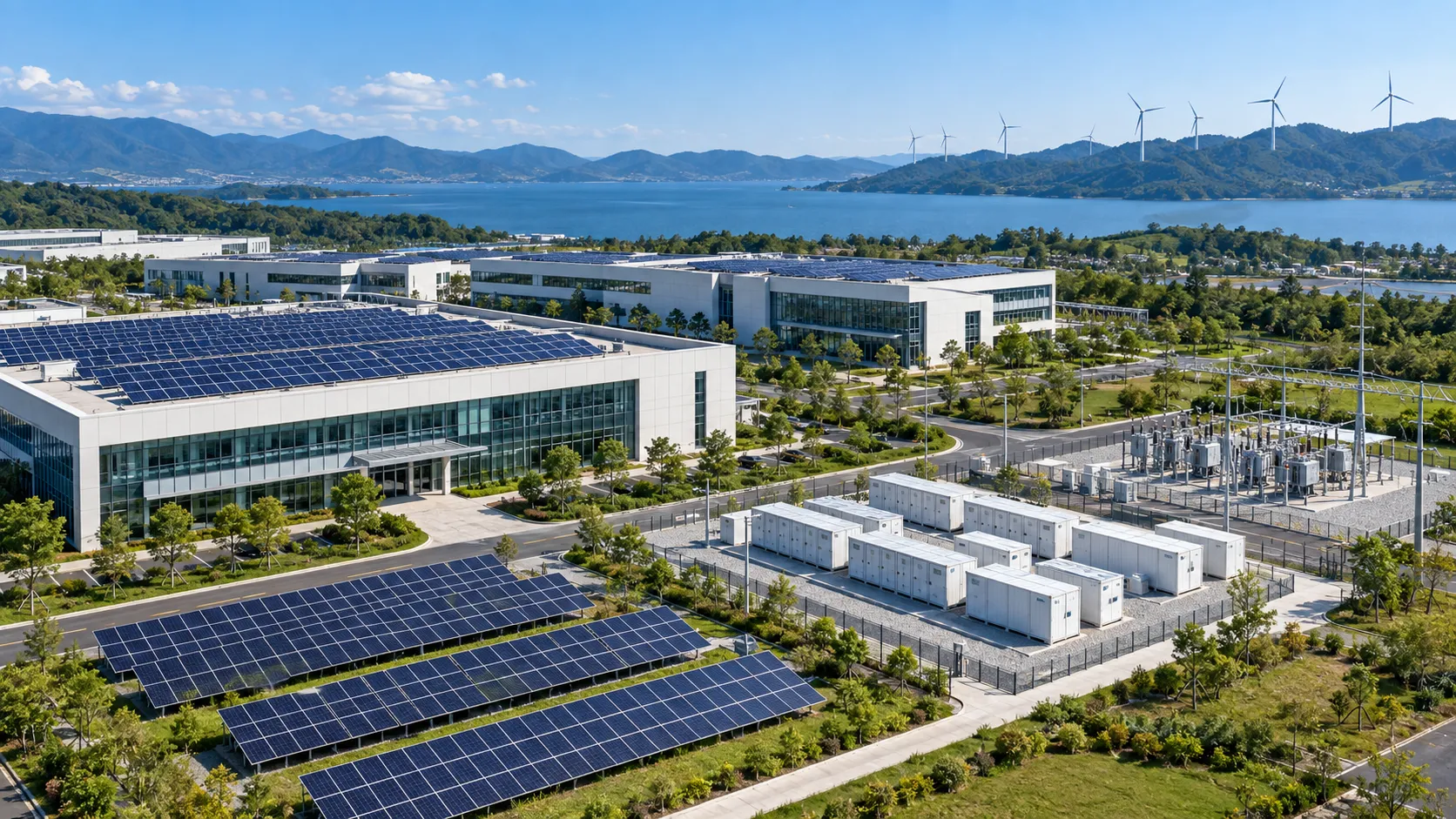
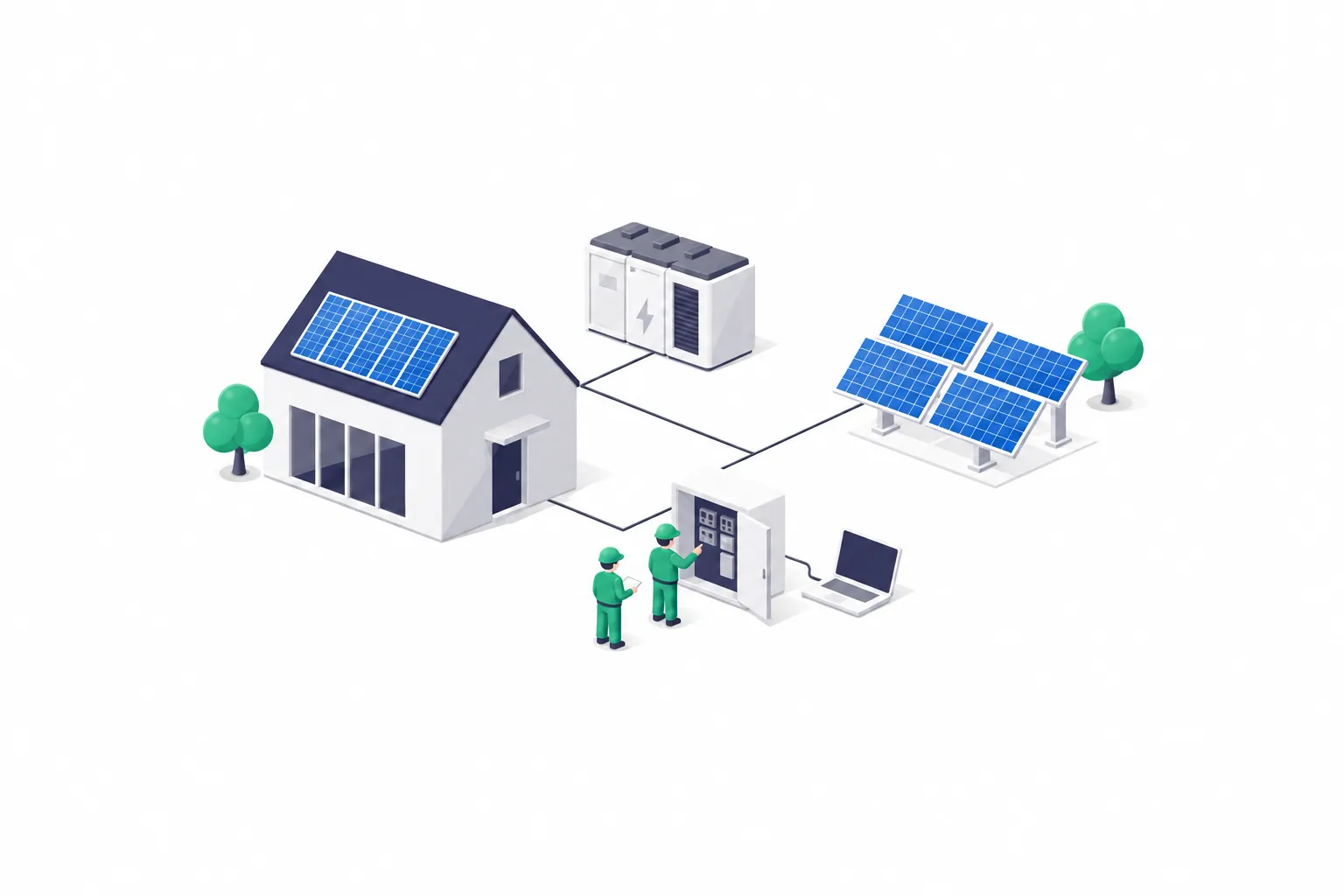
Start with your sites, energy assets and operating goals. Establish the scope and the people involved.

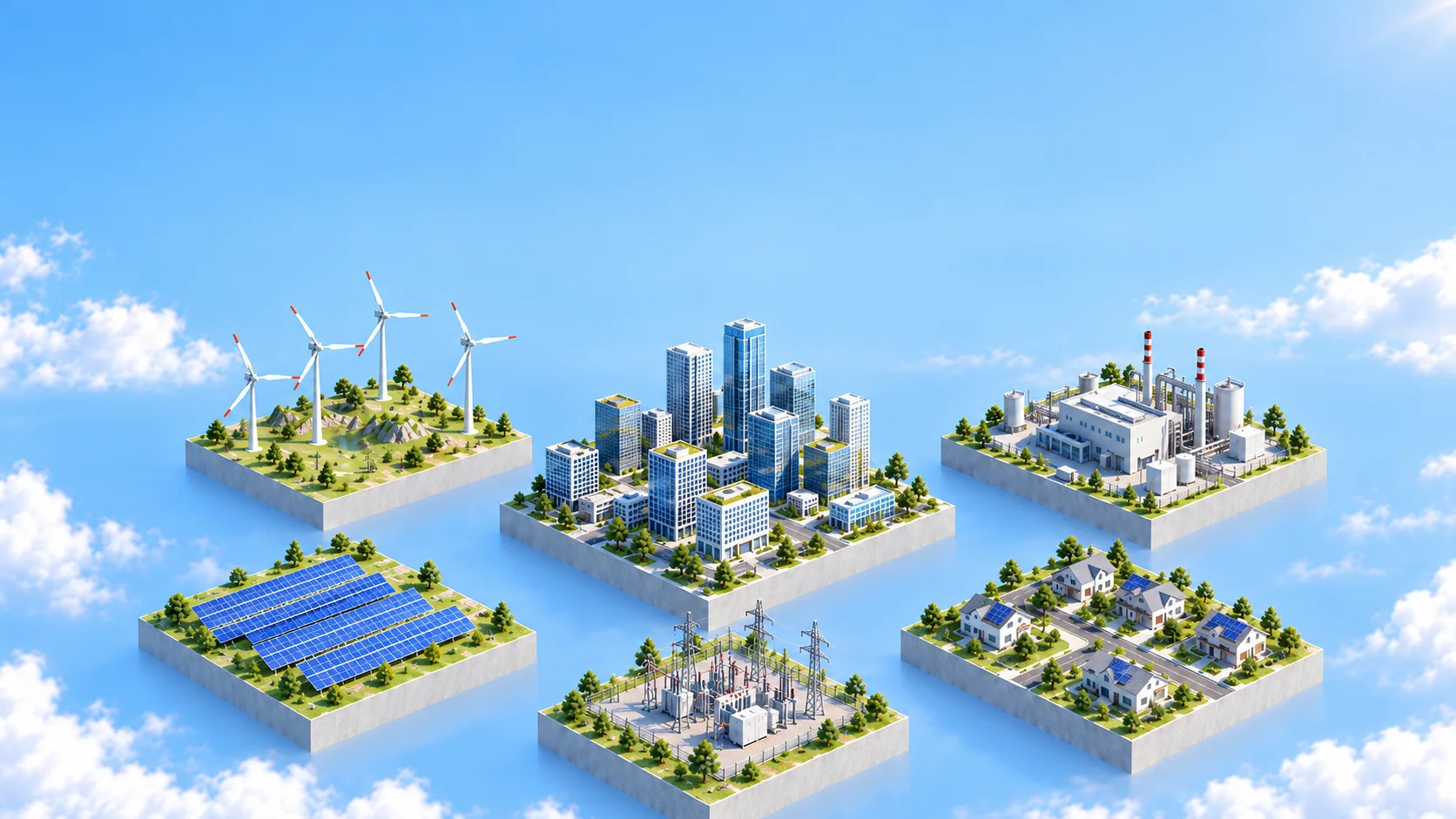
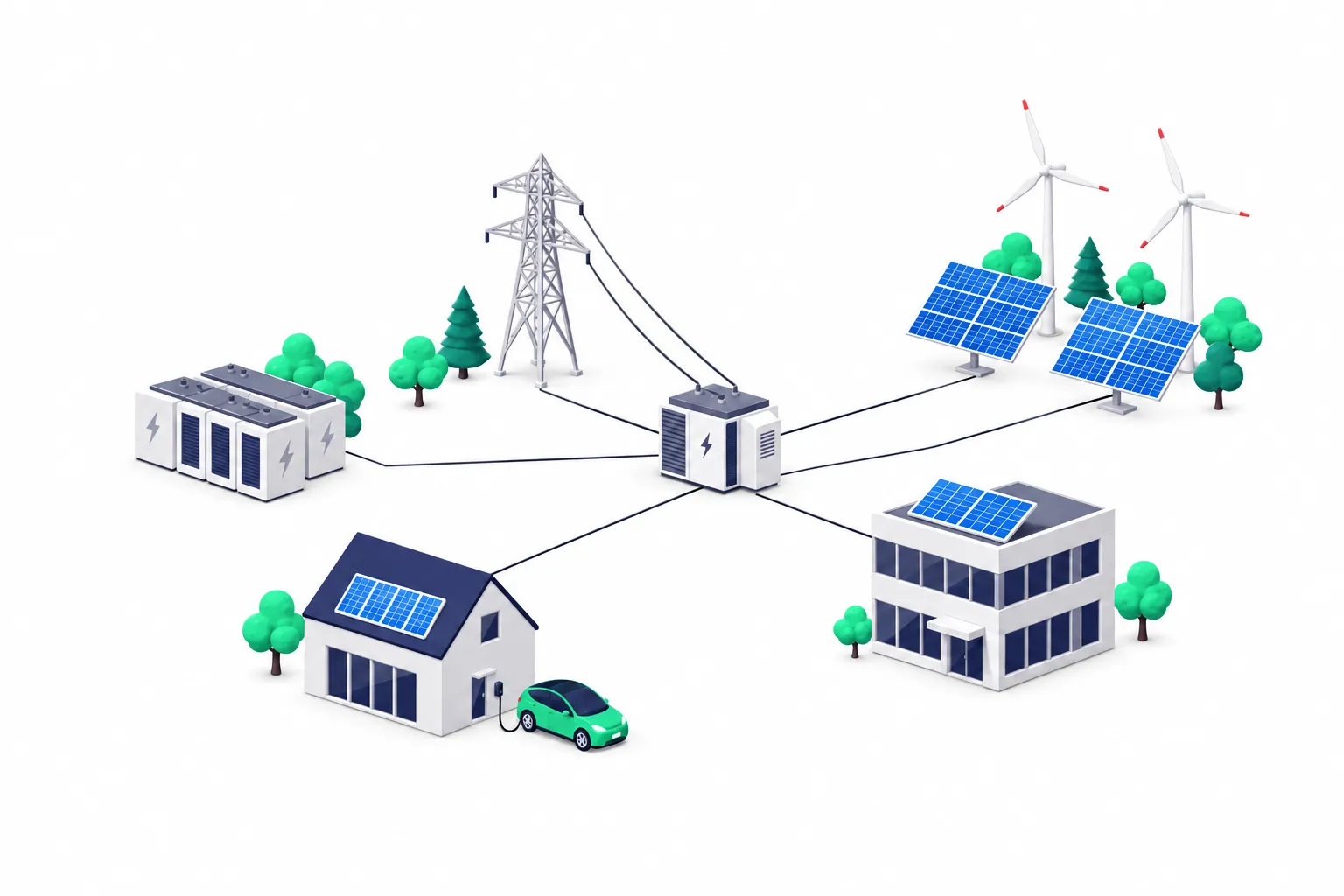
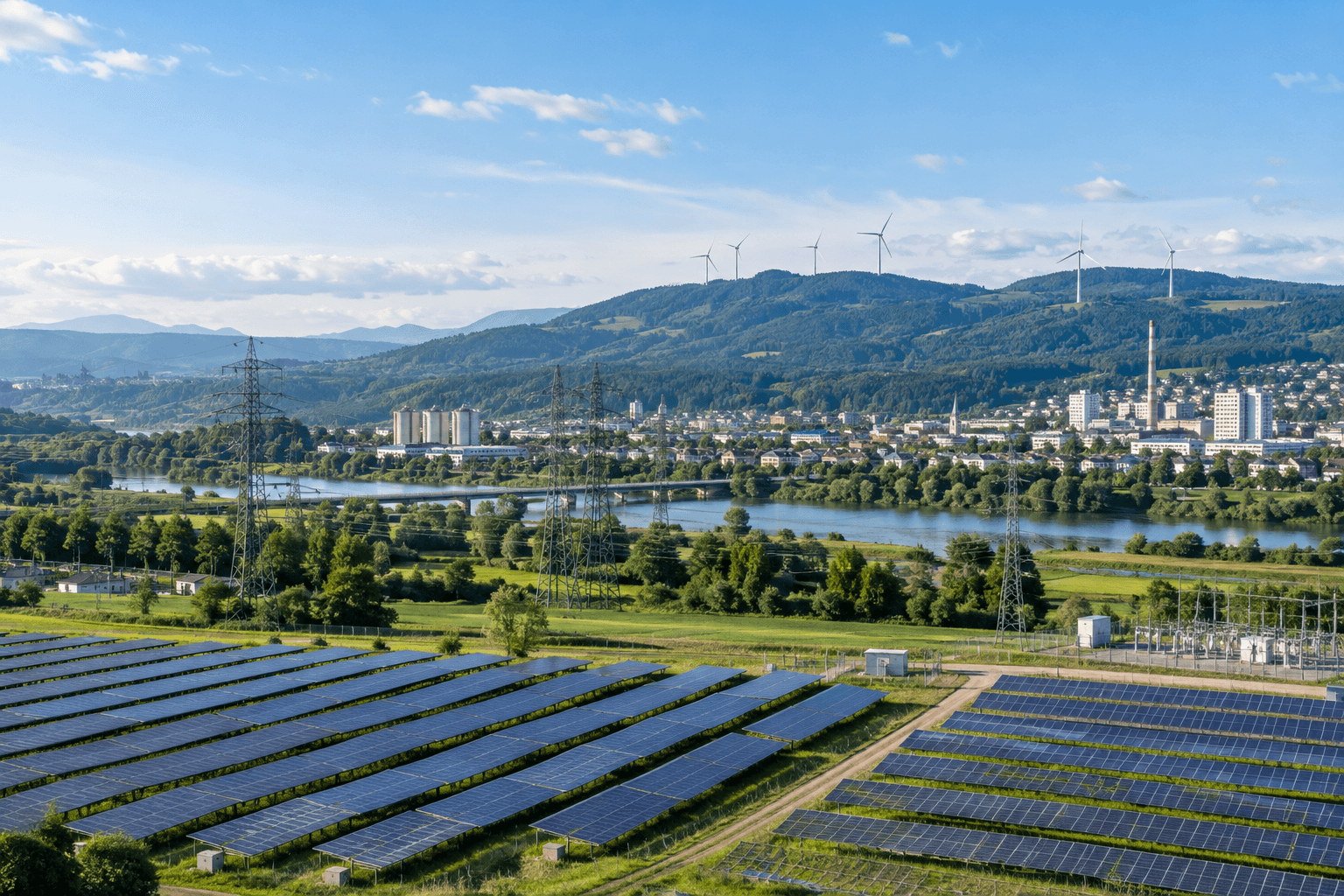
Manage distributed energy resources across portfolios and networks.


Our solutions
From distributed energy networks to the systems inside your buildings.
Federated DERMS
Monitor assets, forecast availability and coordinate distributed resources across portfolios and networks.
Three sites. One operating view.
| Time | Solar | Demand |
|---|---|---|
| 00:00 | 0 kW | 600 kW |
| 04:00 | 0 kW | 550 kW |
| 08:00 | 450 kW | 850 kW |
| 12:00 | 1200 kW | 1050 kW |
| 16:00 | 700 kW | 1000 kW |
| 20:00 | 0 kW | 800 kW |
| 24:00 | 0 kW | 600 kW |
Coordinate DSO, enterprise and aggregator DERMS environments through a shared system integration layer.
Explore solution 02Distribution system operatorsBring distributed resources into view at the distribution network level and coordinate with connected DERMS environments.
Explore solution 03Enterprise DERMSManage distributed resources across enterprise sites and networks, with a portfolio view of assets and operating requirements.
Explore solution 04Aggregator DERMSBring installer, vendor and partner resource portfolios into a shared aggregation environment.
Explore solutionAbout us
Our team combines experience in building controls, energy efficiency and demand-side management.
About Serious ControlsBMS & Automation
Four solutions for the equipment and environments you manage every day.
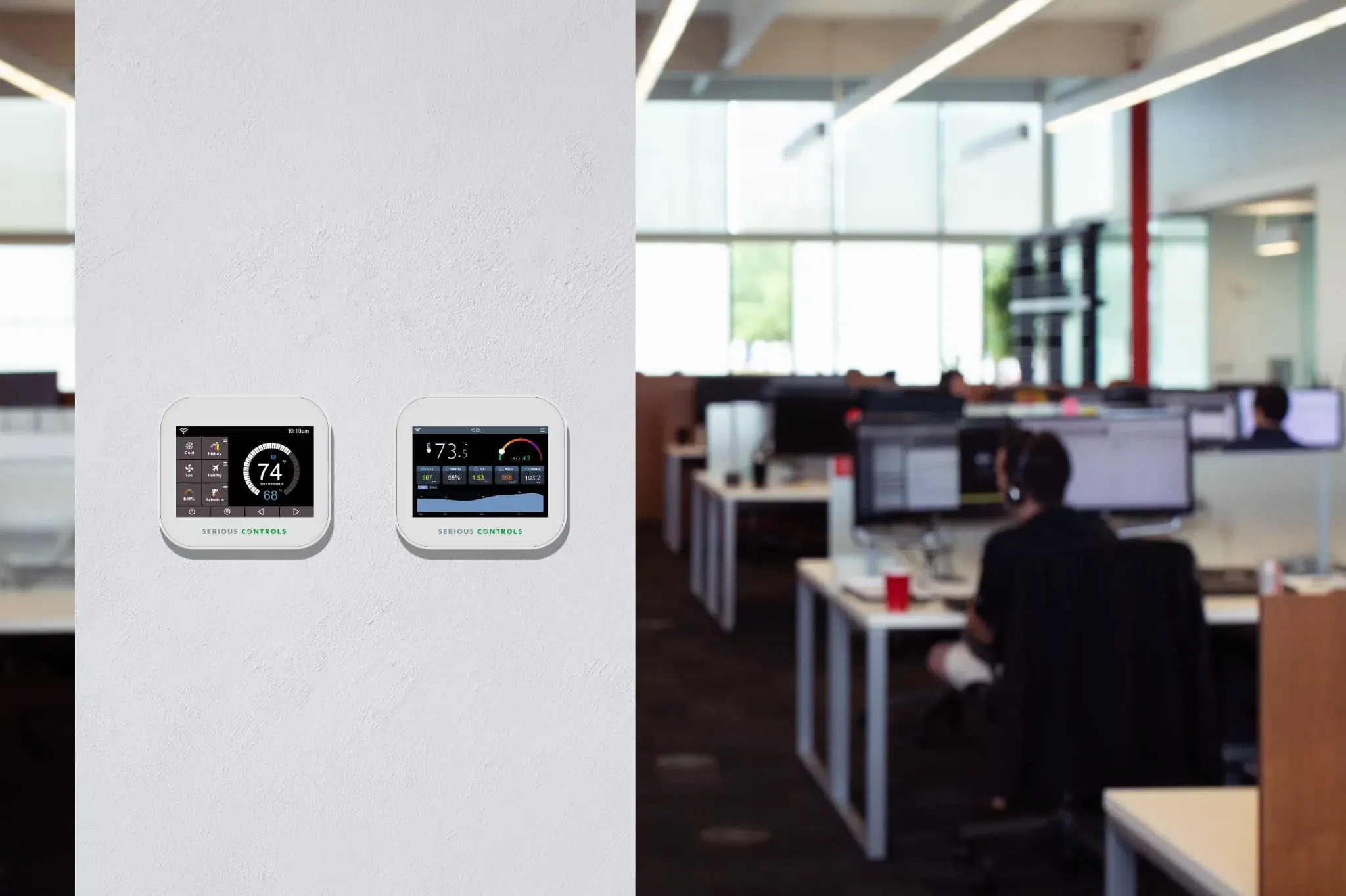
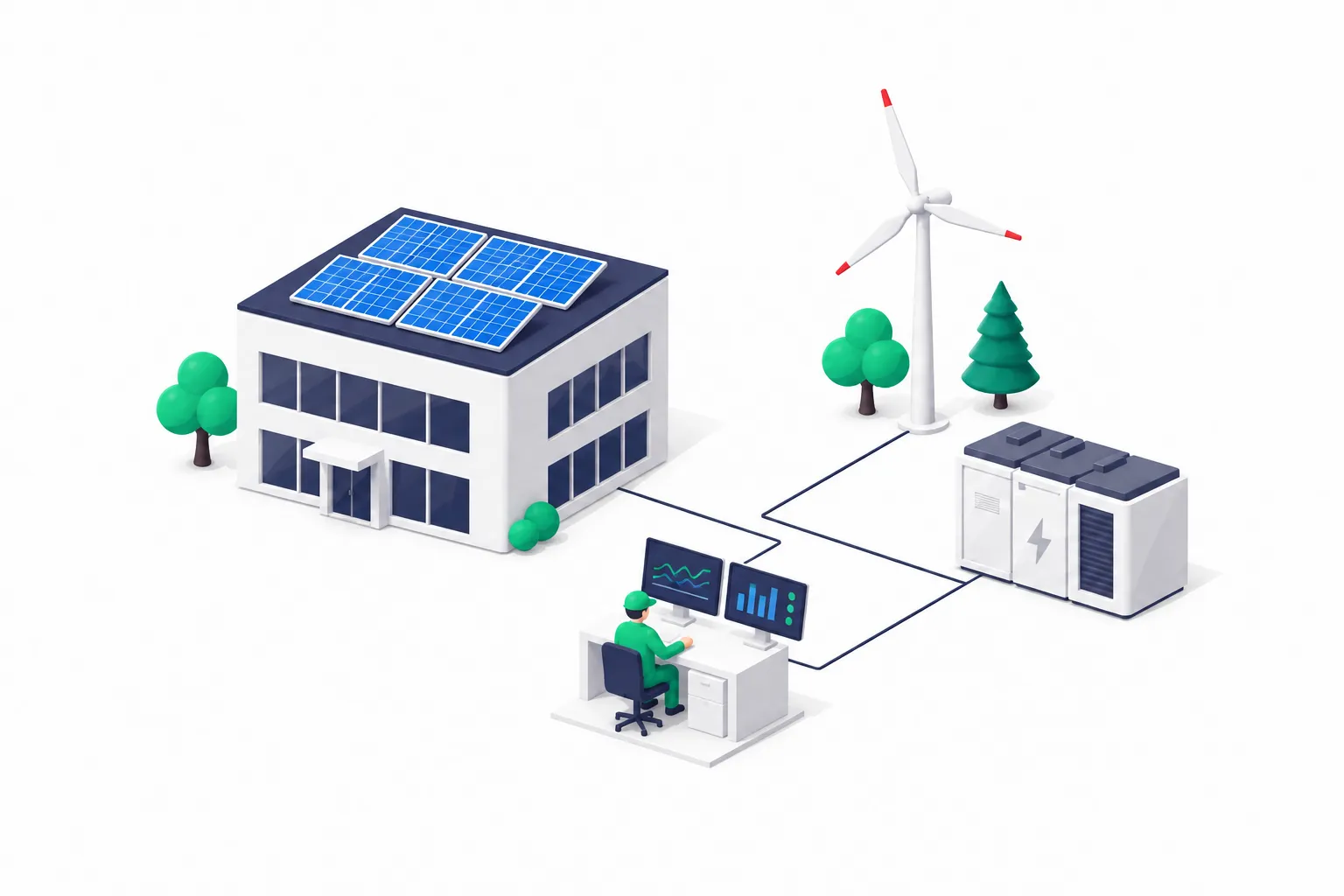
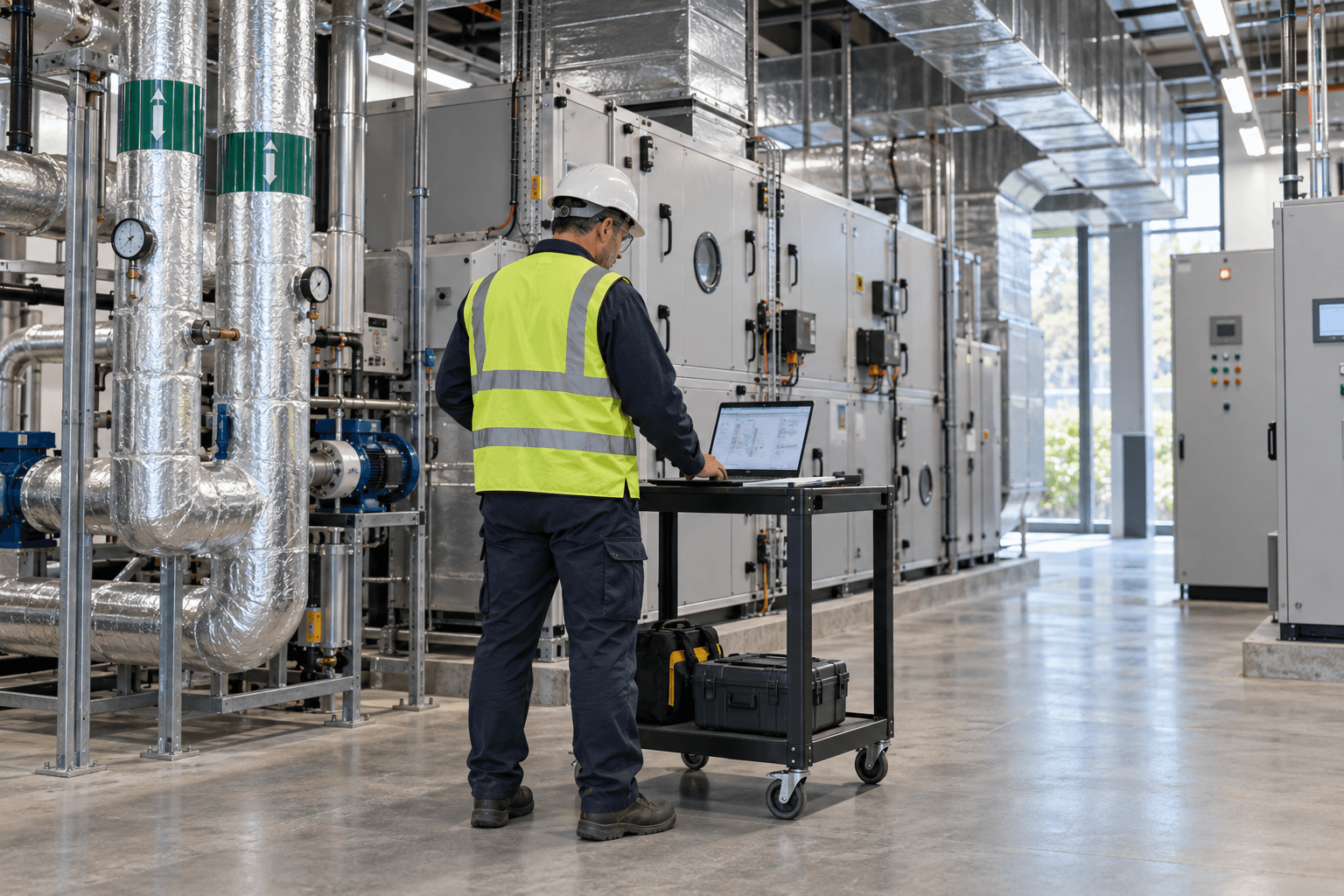
Manage HVAC schedules, monitor indoor air quality and bring building controls into one operating view.
Explore solution 02StorageMonitor battery state of charge, review power flow and follow energy trends at your facility.
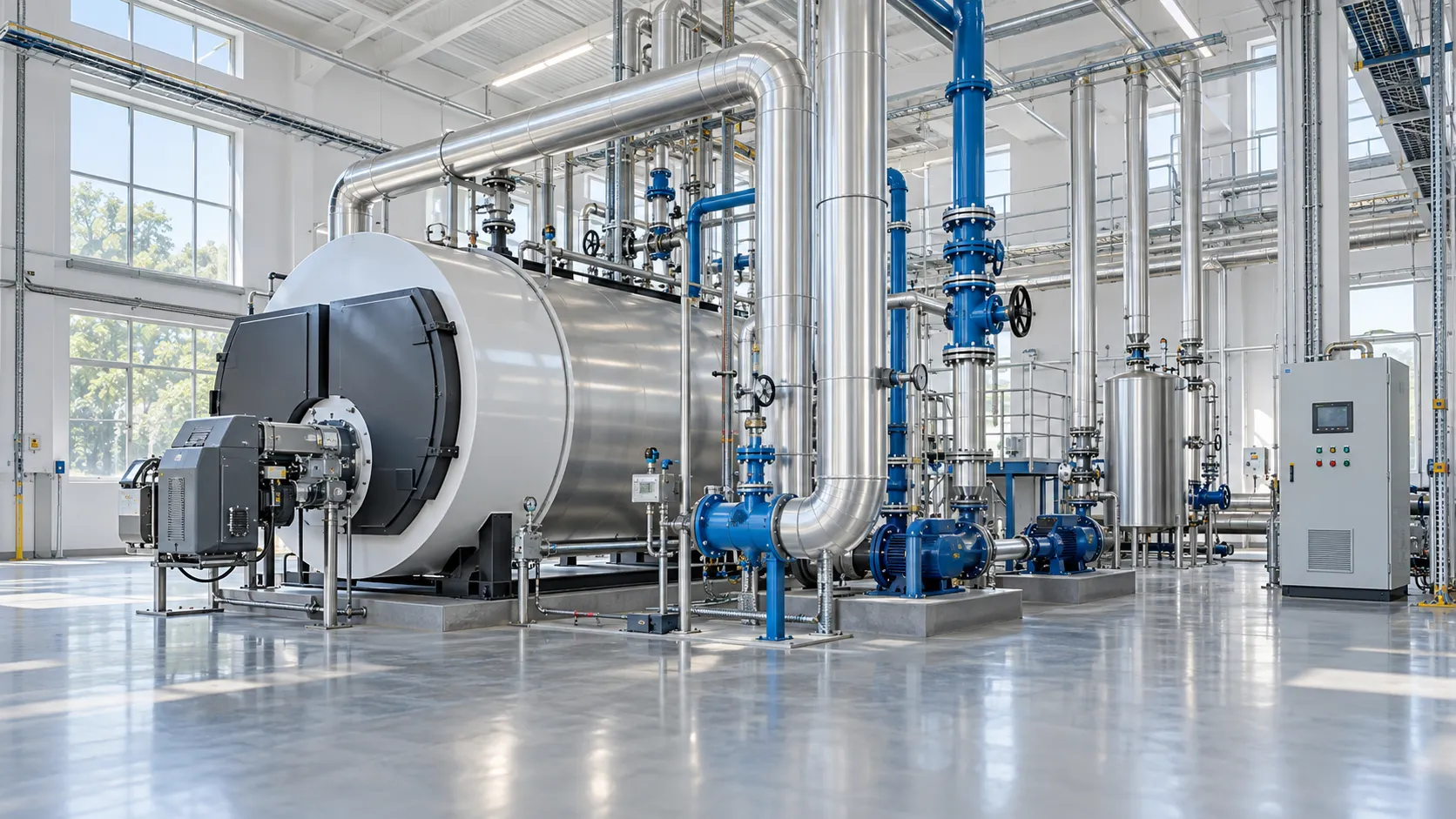
Explore solution 03Thermal systemsBring boiler equipment, temperatures and operating schedules into view for your facility team.
Explore solution 04Industrial operationsConnect process equipment and monitor operating conditions through a coordinated automation system.
Explore solutionHow it works
Define the scope, connect the equipment and configure
a system around your operating requirements.

Start with your sites, energy assets and operating goals. Establish the scope and the people involved.

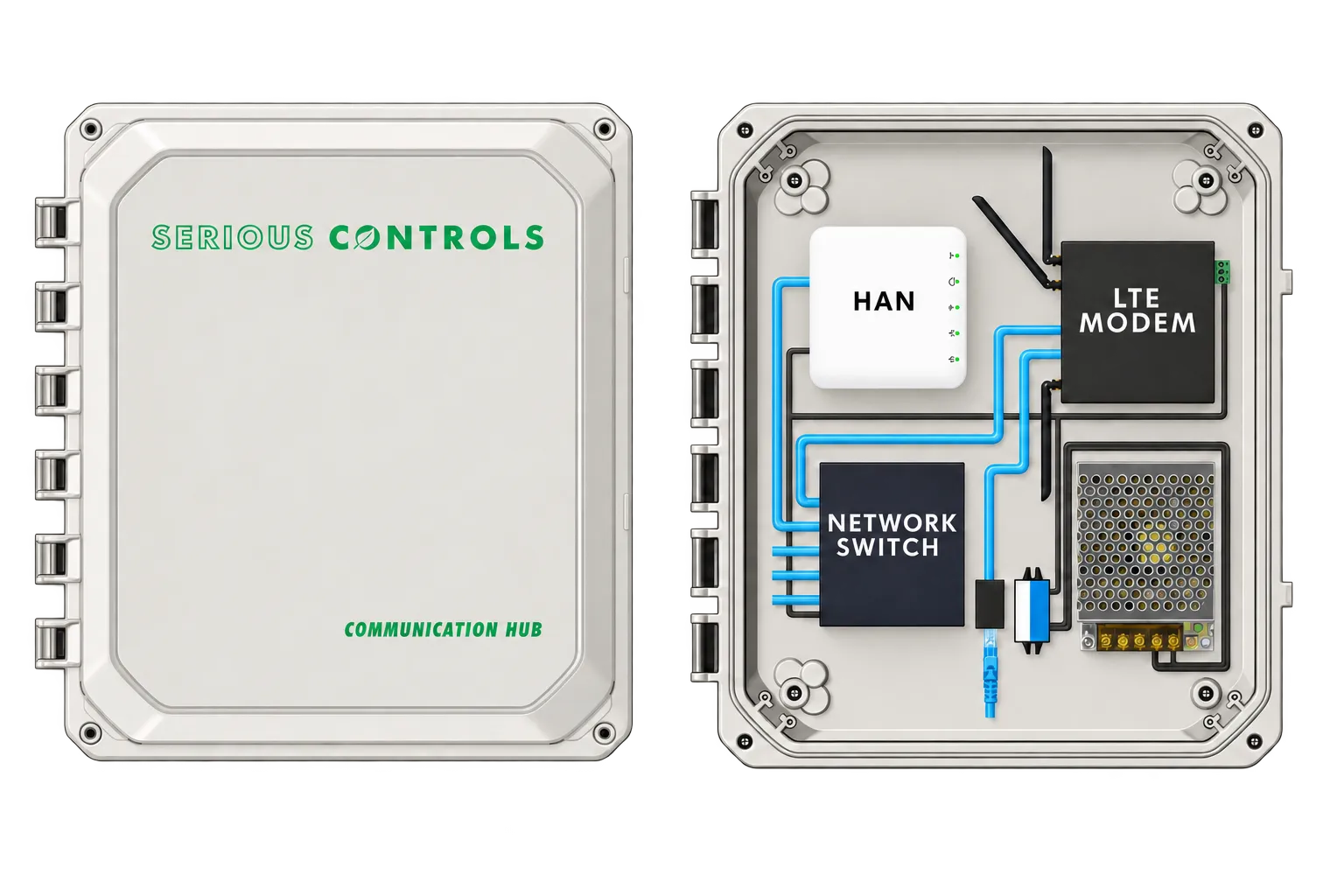
Identify the devices, protocols and network access required for your deployment.

Set up resource groups, building schedules or IAQ floor plans around your requirements.

Use monitoring, alerts and reports to review performance. Forecast and optimize resources with DERMS.
Common questions
Understand the systems, the connections and what to prepare for your project.
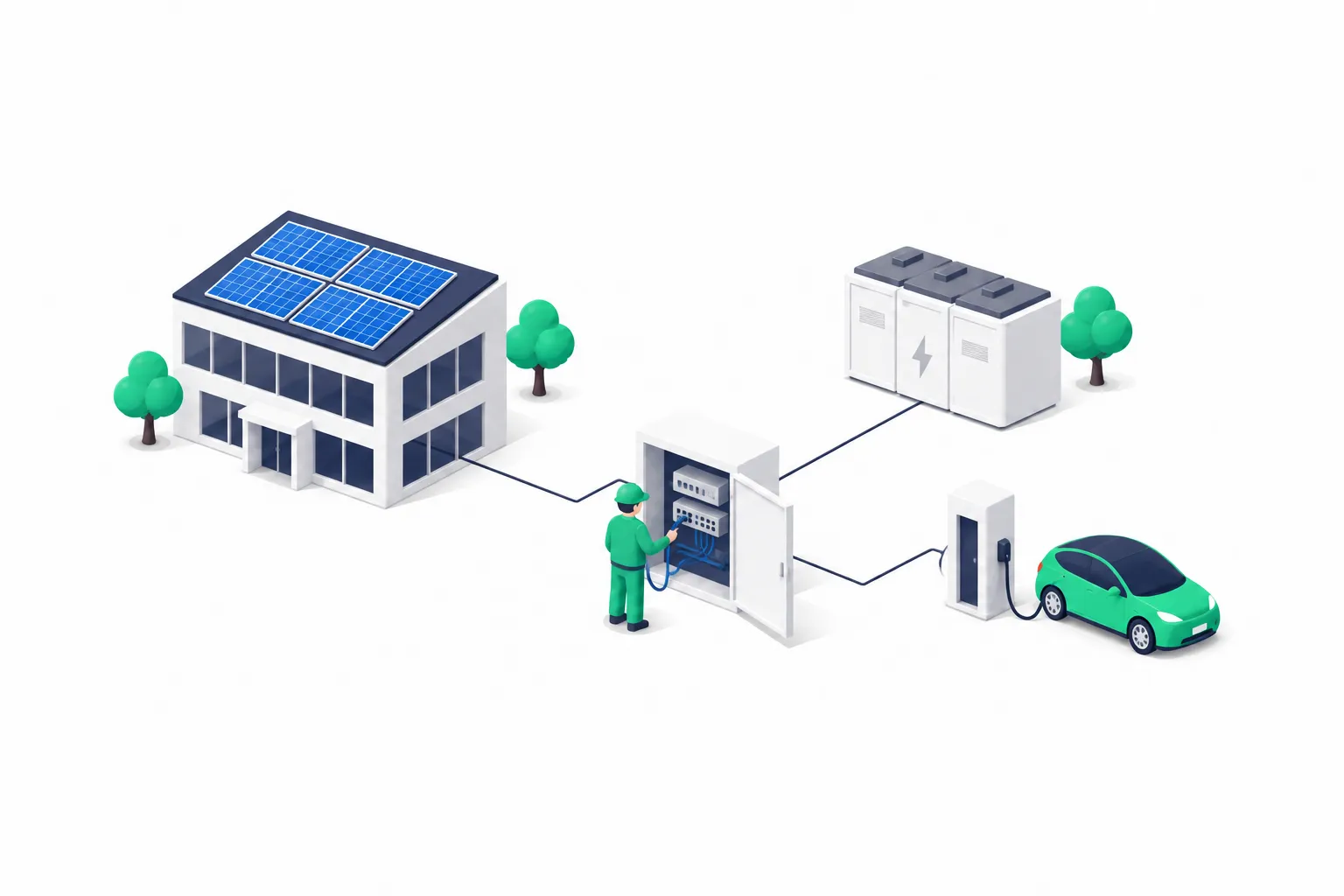
A distributed energy resource management system (DERMS) helps teams organize, monitor and coordinate resources such as solar generation, batteries, EV charging and flexible building loads. A virtual power plant (VPP) brings a group of resources together for coordinated operation. DERMS supports that work through asset visibility, forecasting and scheduling.
Explore DERMS capabilitiesStart with the resources and operating responsibilities you manage. DSO DERMS addresses distribution networks, eDERMS brings enterprise portfolios together, and aDERMS organizes aggregated partner resources. DERMS Orchestrator connects these environments. Building owners and facility teams can start with BMS & Automation for HVAC, storage, boilers and process equipment.
Compare the solution familiesBuilding management focuses on equipment, schedules and indoor conditions at a facility. DERMS coordinates resources across a wider portfolio or network. Connecting the two can bring suitable building loads into an energy program, with operating limits defined around the equipment, occupant needs and program requirements.
Explore building managementAn integration review starts with your equipment list: manufacturers, models, available protocols or APIs, and network access. The team uses these details to identify the connection approach and any additional hardware or integration work. Compatibility is reviewed for the specific equipment and project.
Review integration requirementsShare your site locations, resource types, equipment list and operating goals. Useful context includes who will use the system, what needs monitoring or control, and any existing software or network requirements. Serious Controls can then help define the solution scope and implementation steps.

Discuss your projectBlog
Ideas and perspectives on connected energy and building operations.

Tell us about your sites, resources and goals.
We’ll help define the next step.